FLOODING IN FRANCE

Flood alert: what microbiological risk remains for drinking water?

The water is gradually receding in Gironde, Maine-et-Loire and Charente-Maritime.

Media images show the water receding, residents returning home and clean-up operations getting underway. But from a microbiological and health perspective, the danger is only just beginning. Contrary to what one might think, the post-flood phase often presents greater health risks than the flood itself. Here are some scientific explanations.

Phase 1: During the flood - Initial contamination (D0-D5)

Mechanisms of contamination in the drinking water network

When the water rises, several phenomena occur simultaneously and severely compromise the quality of the water in the network:

Overflowing sewage treatment plants (STPs)

Sewage treatment plants are designed to treat a certain volume of wastewater. During a major flood, this volume is greatly exceeded. WWTPs become submerged and cease to function properly. As a result, millions of litres of untreated wastewater are discharged directly into the environment and can contaminate drinking water sources.

Sewer backflow

When the water level rises, the pressure in the sewerage system is reversed. Sewers overflow and their contents can flow back into the drinking water network, particularly at faulty connection points or when pipes burst.

Infiltration through cracks

The French drinking water distribution network is ageing. On average, 20% of water is lost through leaks. The same cracks that allow drinking water to escape can, in flood situations, allow contaminated water to enter.

Reverse pressure in pipes

When pumping stations are flooded or the pressure in the network drops, contaminated water outside the pipes can be sucked into the network by a siphoning effect.

Introduced contaminants

This massive contamination introduces three categories of pathogens into the network:

  • Pathogenic bacteria

    • Escherichia coli (indicator of faecal contamination)
    • Salmonella spp. (causes severe gastroenteritis)
    • Campylobacter (diarrhoea, abdominal cramps)
    • Leptospira (causes leptospirosis, 10% mortality rate without treatment)
    • Pseudomonas aeruginosa (opportunistic infections)
  • Enteric viruses

    • Norovirus (main cause of acute gastroenteritis)
    • Rotavirus (particularly dangerous in children under 5 years of age)
    • Hepatitis A virus (HAV)
    • Enteric adenoviruses
  • Protozoan parasites

    • Cryptosporidium parvum (extremely resistant to chlorination)
      Giardia lamblia (cysts highly resistant in the environment)

At this stage, the authorities systematically issue a ‘water unfit for consumption’ alert. Residents are warned. Bottled water is distributed.

But the real danger begins when the water recedes.

Phase 2: Post-flood - The invisible danger (D5-D21)

Biofilm formation: a lasting threat

The first and undoubtedly most dangerous mechanism is the formation of biofilms inside pipes.

What is a biofilm?

A biofilm is a structured community of bacteria that adhere to a surface and produce a protective matrix composed of polysaccharides (exopolysaccharides or EPS). This matrix protects them from external aggressions, particularly disinfectants such as chlorine.

Practical consequence:

Even after intensive chlorination of the network by the water services, the bacteria protected in the biofilms survive. Worse still, they regularly detach from the pipe walls and are released into the water for 15 to 30 days after flooding.

This is why tap water can be intermittently contaminated for several weeks, even after treatment.

Stagnant water: a perfect breeding ground

After the floodwaters recede, water consumption drops dramatically. Not all of the evacuated residents have returned yet. Many are not using tap water as a precaution. Water stagnates in the pipes.

Why is this a problem?

Stagnation creates ideal conditions for bacterial growth:

  • Optimal temperature: Water in pipes stabilises between 15 and 25°C, the ideal temperature for most pathogens.
  • Disappearance of residual chlorine: Chlorine in water has a half-life of 24 to 48 hours. After a few days of stagnation, it is no longer present.
  • Exponential multiplication: Without chlorine and at the ideal temperature, bacteria multiply exponentially.

Special case of Legionella pneumophila:

This bacterium, responsible for Legionnaires' disease (a severe form of pneumonia), proliferates particularly in warm, stagnant water. According to WHO data (2017), Legionella can reach concentrations of 10⁶ colony-forming units per litre (CFU/L) in just 5 days of stagnation.

The risk of Legionella contamination is particularly high when showers and taps are used for the first time after a period of non-use, as the bacteria are transmitted by inhalation of aerosols.

Reactivation of sediments:

When the water network is gradually returned to normal pressure, the sediments that have accumulated at the bottom of the pipes during the flood are put back into suspension.

Consequences:

  • Turbidity peaks: The water becomes cloudy, a sign of the massive presence of particles.
  • Release of pathogens: Bacteria and viruses trapped in the sediments are released en masse.
  • Treatment capacity exceeded: Treatment plants struggle to cope with these peaks in contamination.

This phase can last several days and cause significant contamination even after the authorities have announced a gradual return to normal.

Epidemiological evidence

  • Floods in India (2005)

    The study by Ahern et al. (2005) published in Epidemiologic Reviews documented a 300% increase in cases of gastroenteritis in the three weeks following the flood, with a peak between days 10 and 15.

  • Floods in Central Europe (2002)

    A study by Kirsch et al. (2012) showed that E. coli contamination was detected in water systems up to 28 days after the floodwaters receded, despite intensive chlorination of the systems.

  • Hurricane Katrina, United States (2005)

    According to Santé Publique France, during the floods in Île-de-France in 2016, microbiological contamination of the water networks persisted for 14 to 21 days. Bottled water had to be distributed for 18 days in some municipalities.

  • Floods in France (2016)

    Data from the CDC (Centre for Disease Control) revealed a peak in leptospirosis cases 14 days after the floodwaters receded, corresponding exactly to the incubation period of the disease (7–14 days). This demonstrates that contamination occurred during or just after the floodwaters receded, and not during the flood itself.

These mechanisms are not theoretical. They have been documented during every major flood in recent decades. This data confirms that the post-flood phase presents major and lasting health risks.

The limitations of conventional solutions

In response to this contamination, several solutions are generally recommended. However, each has significant limitations.

Boiling

Principle: Bring water to a rolling boil for at least 1 minute (3 minutes at high altitude) to kill pathogens.

Effective against:

  • Bacteria, viruses, parasites

Limitations:

  • Does NOT remove chemical contaminants (heavy metals, hydrocarbons)
  • Requires a significant source of energy. Considerable time and effort.
  • Limited volume that can be treated.
  • Hot water afterwards (not ideal for immediate hydration).

In a post-flood context: Boiling may be compromised if electricity or gas are not available. Furthermore, it does not treat chemical pollutants that may have entered the system (hydrocarbons, metals leached from damaged pipes).

Chlorination

Principle: Addition of chlorine or bleach to disinfect water.

Effective against:

  • Most bacteria and viruses Limitations:

Ineffective against

  • Cryptosporidium (extreme resistance)
  • Reduced effectiveness against biofilms
  • Requires contact time of 30 to 60 minutes
  • Produces disinfection by-products (trihalomethanes, haloacetic acids) that are potentially carcinogenic in the long term
  • Unpleasant taste and odour
  • Delicate dosage (too little = ineffective, too much = toxic)

In a post-flood context: Chlorination of networks is practised systematically, but its effectiveness is limited by the presence of biofilms and certain highly resistant pathogens.
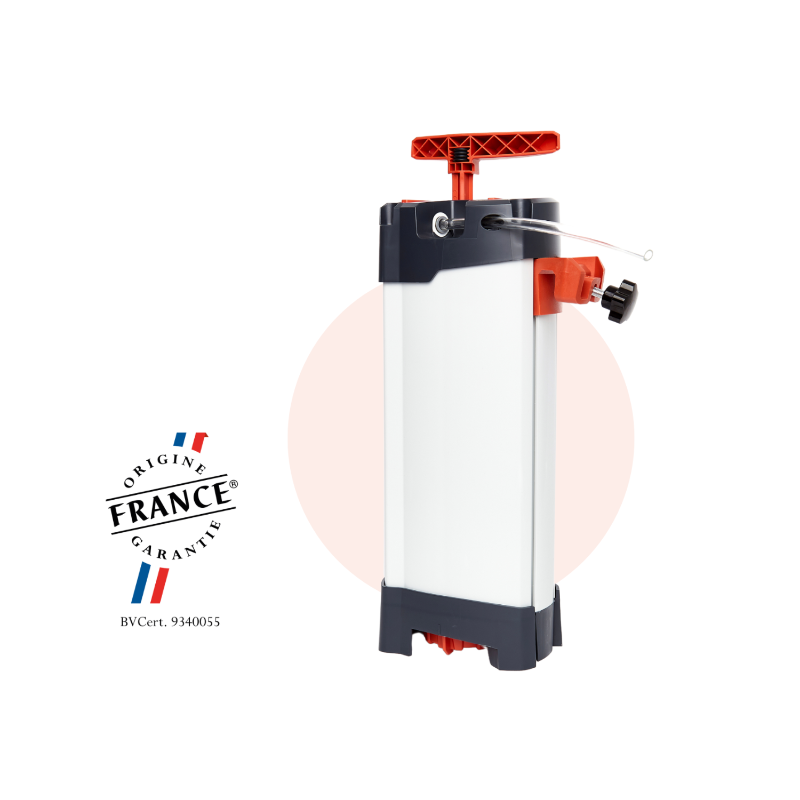
membrane d'ultrafiltration orisa contre les virus, bactéries et protozoaires

Ultrafiltration: the absolute physical barrier

The principle of steric exclusion

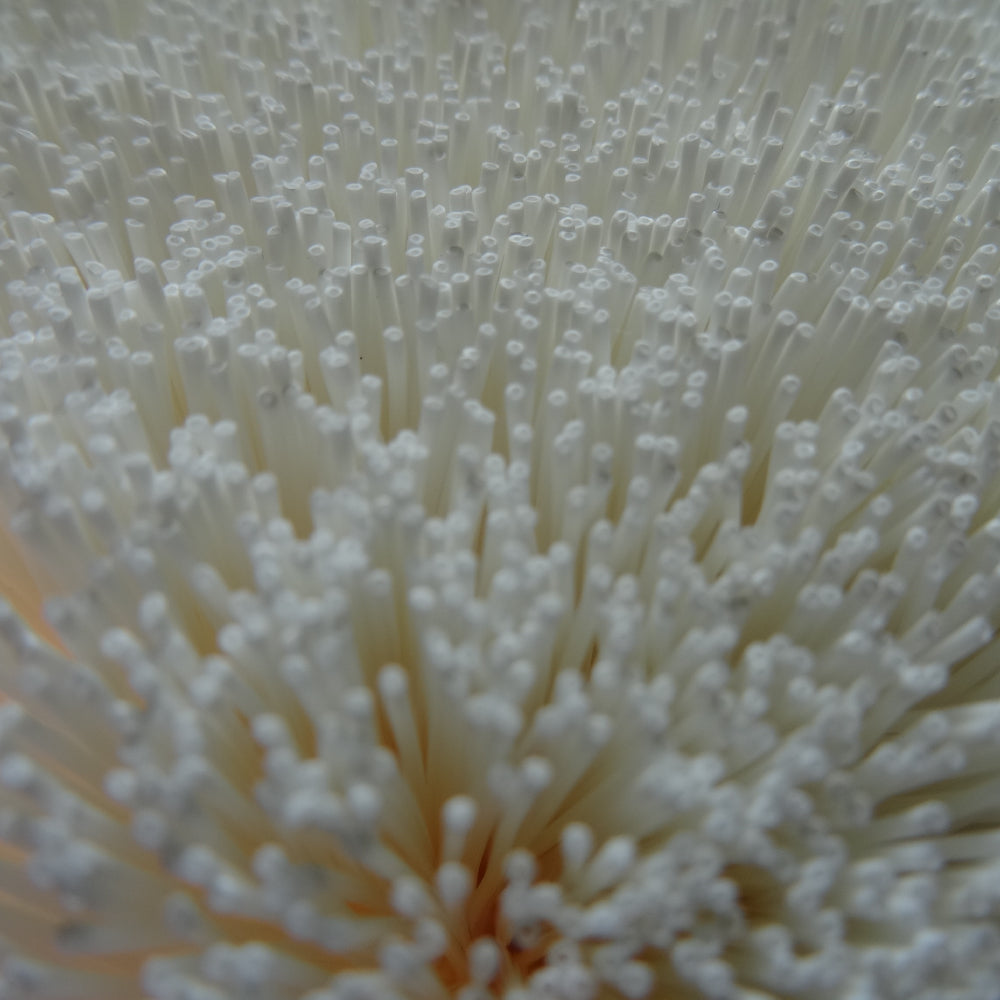
Ultrafiltration is based on a simple but extremely effective physical principle: steric exclusion. Water is forced through a membrane whose pores are so small that only water molecules and dissolved minerals can pass through. Anything larger is physically blocked.

Comparison of pathogen sizes versus UF ORISA®

To understand the effectiveness of this barrier, let's compare the size of pathogens to that of pores:

  • ORISA® ultrafiltration pore size: 0.01 μm (10 nm)
  • E. coli: 0.5 × 2 μm (50× larger) → BLOCKED
  • Campylobacter: 0.2-0.5 μm (20-50× larger) → BLOCKED
  • Leptospira: 0.1 × 6-20 μm (10-200× larger) → BLOCKED
  • Viruses: 20-300 nm (2-30× larger) → BLOCKED
  • Cryptosporidium oocysts: 4-6 μm (400-600× larger) → BLOCKED
  • Giardia cysts: 8-12 μm (800-1200× larger) → BLOCKED

Securing access to clean water with ORISA® ultrafiltration

ORISA® certifications – World Health Organisation and Pasteur Institute

The effectiveness of the ORISA® purifier has been certified by the Pasteur Institute in Lille according to the most rigorous protocols. The results are expressed in ‘logarithmic reduction’ (LOG). See the results.

The ORISA® water purifier has been tested as part of the WHO's international assessment programme for household water treatment technologies (HWTS round III), where it achieved a performance rating of ‘Complete protection: three stars’.

What is LOG?

A LOG 1 reduction means 90% elimination (÷10).

A LOG 2 reduction means 99% elimination (÷100).

A LOG 3 reduction means 99.9% elimination (÷1000).

And so on.

  • Bacteria: LOG 8 (99.999999% eliminated)

    Out of 100,000,000 bacteria, 1 remains. Reduction by a factor of 100 million.

  • Virus: LOG 5 (99.999% eliminated)

    Out of 100,000 viruses, 1 remains

    Reduction by a factor of 100,000

  • Protozoa: LOG 4 (99.99% eliminated)

    Out of 10,000 protozoa, 1 remains. Reduction by a factor of 10,000.

The decisive advantages of ultrafiltration

  • Absolute physical barrier

    Unlike chemical methods (chlorine, UV) that kill or inactivate pathogens, ultrafiltration physically removes them from the water. There is no possibility of resistance or adaptation of microorganisms to this purely mechanical process.

  • Immediate effectiveness

    The water is drinkable as soon as it comes out of the membrane. No waiting time, no chemical reactions to let take effect. You pump, the water is filtered, and you can drink it immediately.

    ORISA® processing time: 3L/minute

  • No chemical consumables

    No chlorine to add, no tablets to buy, no chemicals. The only consumable is the membrane itself, which lasts for 20,000 litres. This capacity is more than enough for a family of four facing a situation of flooding and receding water levels.

  • Total versatility

    Ultrafiltration is effective:

    • Regardless of the water source (river, lake, rainwater, cistern, swimming pool)
    • Regardless of the temperature
    • Regardless of the pH of the water
    • Without electricity (manual pumping)
    • Even on highly contaminated water
  • Durability and reliability

    The ORISA® ultrafiltration membrane is composed of 4,200 polymer tubes. It is:

    • Cleanable: Can be regenerated by simple integrated backwashing
    • Durable: 20,000 litre capacity
    • No planned obsolescence: Designed to last
    • Repairable: Spare parts available
  • Maximum safety in use

    Unlike chemical methods, which carry risks of under-dosing (ineffective) or over-dosing (toxic), ultrafiltration is completely safe: no risk of error: impossible to ‘dose incorrectly’; no handling of toxic products (chlorine, bleach); no storage of hazardous products; suitable for children: no risk of poisoning.

Scientifically based foresight

The scientific data is clear: the post-flood phase presents major and lasting microbiological risks, often greater than those of the flood phase itself. The mechanisms at play are numerous and complex:

  • Formation of resistant biofilms within 24-48 hours
  • Stagnant water creating conditions for proliferation
  • Intermittent release of pathogens for 2-3 weeks
  • Reactivation of contaminated sediments

Faced with these risks, 0.01 micron ultrafiltration is the most effective physical barrier against all waterborne pathogens.

ORISA®, with its LOG 8 certification for bacteria and LOG 5 certification for viruses, not only complies with international standards, it far exceeds them.

In post-flood situations, it is the solution that combines:

  • The highest microbiological efficiency
  • The fastest speed (drinking water up to 3L/minute)
  • The best autonomy (no consumables, 20,000L capacity)
  • The greatest versatility (any source of fresh water)
  • The lowest dependency (no electricity, no chemicals)

17 million French people live in flood-prone areas. The events of February 2026 are a cruel reminder that access to drinking water is never guaranteed, even in Britain, even in 2026.

Being prepared is not paranoia. It is scientifically based responsibility.