

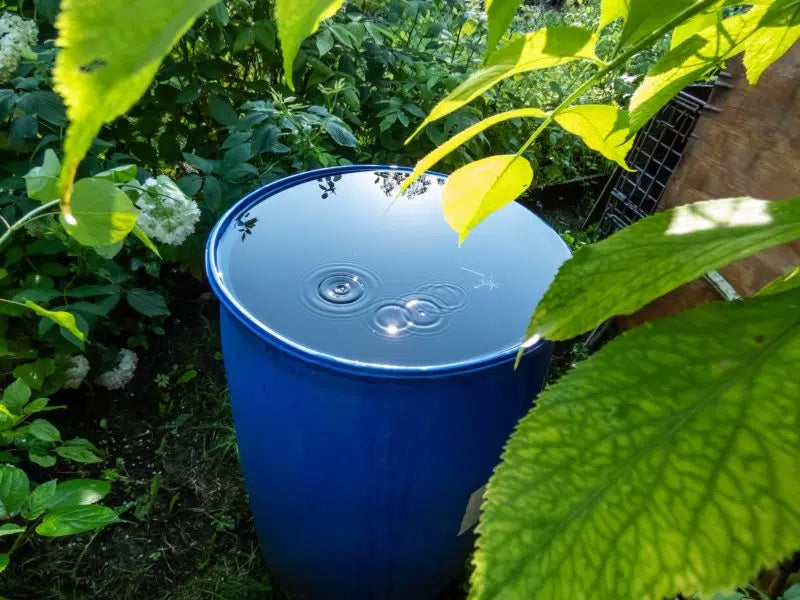
Rainwater: a resource increasingly used
Collecting rainwater has become a common practice. Faced with environmental challenges, rising water costs and a growing desire for autonomy, more and more households are installing rainwater harvesting systems. This water, freely available, seems like an obvious solution. It falls from the sky, appears clean, and fits perfectly into a sustainable approach.
However, this perception needs to be reconsidered.
What the regulations say in France
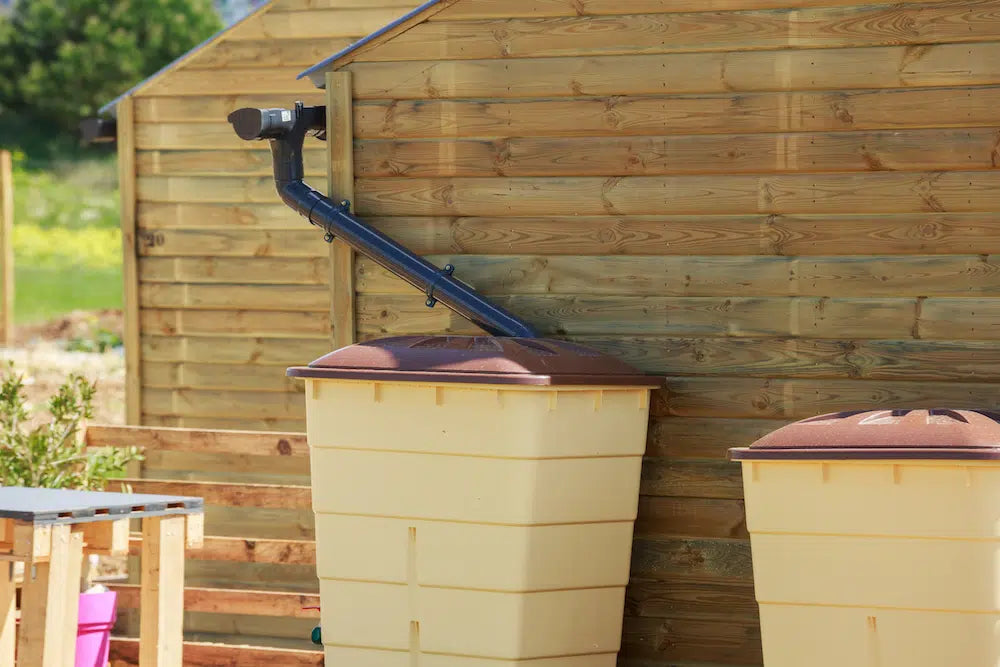
The real issue: the journey of water
The problem is not the rain itself.
The problem is everything it comes into contact with.
Roofs, gutters and pipes all impact its quality. As it flows, water collects particles, organic matter and contaminants. It can also pick up microorganisms present on surfaces.
This transformation is unavoidable.
The crucial role of storage

A useful resource… but limited
In practice, rainwater remains a valuable resource. It can significantly reduce the use of treated drinking water and cover many everyday needs.
But it has a major limitation:
it does not meet the essential need: drinking safely.
This distinction is often overlooked.
Having access to water does not mean being able to drink it safely.

When it becomes a critical issue
This limitation becomes crucial in specific situations. During water outages, droughts or off-grid living, rainwater may become the only available resource.
What was once a secondary source becomes essential.
And in those moments, the question is no longer theoretical.
It becomes a necessity.

Main risks associated with rainwater
To better understand the issue, it is important to identify the main sources of contamination:
- microbial contamination from collection surfaces
- degradation due to storage and stagnation
- presence of particles, pollutants or atmospheric residues
These risks are often invisible, which makes them more dangerous.
Can rainwater be made potable?



What this changes in practice

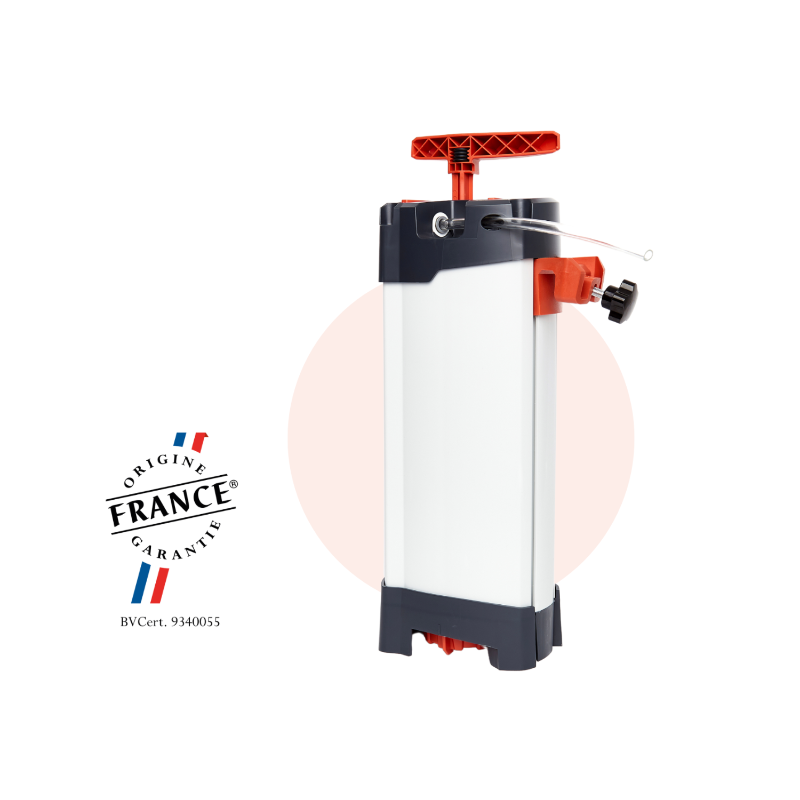
Why NGOs use ORISA® in emergency situations
The Red Cross, Solidarités International, Médecins Sans Frontières, and Secours Islamique France all use ORISA® in the field for one simple reason.
In crisis situations, there is no room for approximation. When water is contaminated, you need a solution that is reliable, immediate, and works independently of any infrastructure.
That is exactly what makes the difference.
- A technology tested and certified by the Institut Pasteur and recognized by the WHO.
- A fully autonomous system, with no need for electricity, chemicals, or infrastructure.
- Fast deployment, capable of producing safe drinking water within minutes.
- And a flow rate adapted to real needs, up to 180 liters per hour.
Today, more than 600,000 people in 50 countries rely on this technology, whether in daily use or emergency situations.
Because in the end, the reality on the ground is always the same.
And what works in the Sahel or in Latin America works just as well here in France.


