


Distribution of the guide “Tous responsables” (We Are All Responsible) by the French government
The government has just published the guide ‘Tous responsables’ (We are all responsible), a document designed to help every citizen deal with the various crises that may affect the country: armed conflicts, climate phenomena, health risks, technical and technological accidents, cyber attacks, terrorist threats, etc. This guide reminds us of something obvious: we are all responsible for our own safety, and it is essential to know the right reflexes, the priority actions to take and the vital needs to anticipate in the event of a deteriorating situation.
Download the French government's survival guide ‘Tous responsables’ (We are all responsible).
What does the government's survival guide contain?
Understanding priorities in a crisis situation
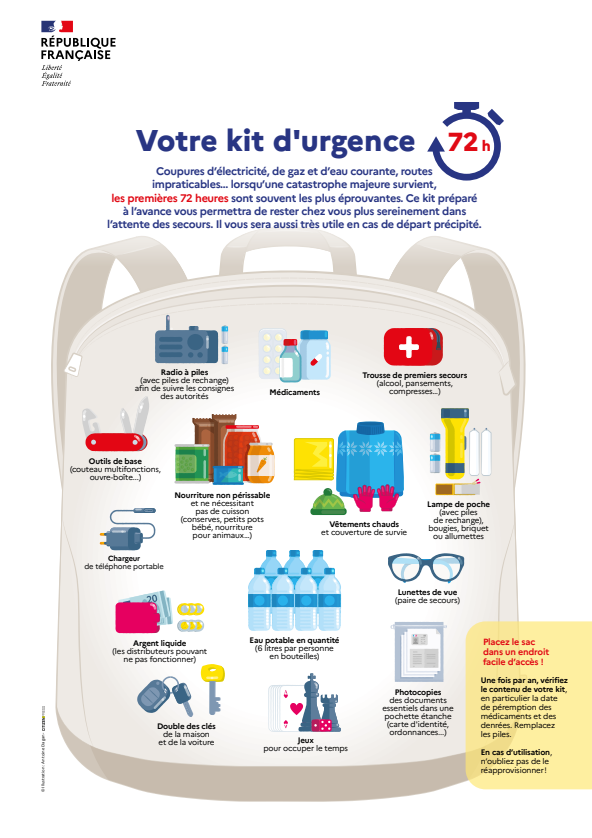
Why does water quickly become a vital issue in a crisis?
The guide reminds us that water is one of the most difficult basic needs to secure in a crisis.
A network interruption, accidental pollution or simple health concerns can be enough to render tap water unusable.
To be self-sufficient, the government now recommends storing 6 litres of water per person per day to cover drinking, food preparation and essential hygiene needs.
But storing that much water quickly becomes a challenge due to lack of space, regular rotation, weight, cost, plastic limitations, etc.
In reality, in a crisis situation, it is better to plan for around 10 to 15 litres of water per person per day, or a total of 120 to 180 litres for a family of four over three days. It is impossible to store such a quantity in plastic bottles.
This is precisely why many households are now looking for a sustainable alternative to bottle storage.
A more sustainable and self-sufficient solution: being able to filter your own water

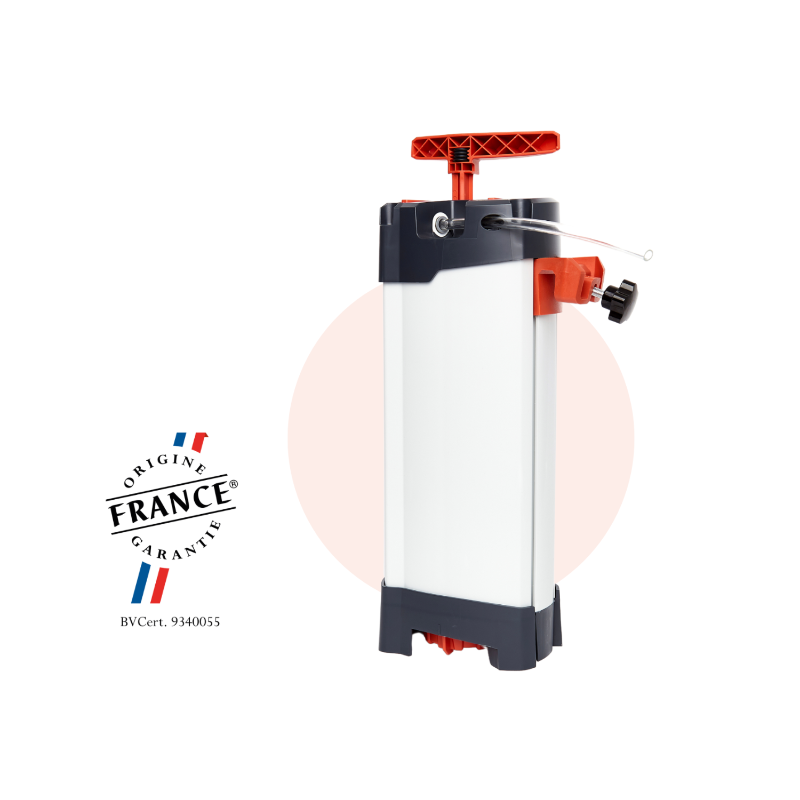


ORISA®: the French water filter designed for autonomy and resilience
-

Rainwater
-

Well water
-

Lake water, river water, pond water...
-

Flow rate up to 3 litres per minute
Instant filtration
-

Ultrafiltration membrane
20,000 litres of filtered water
-

Spare parts
100% repairable purifier


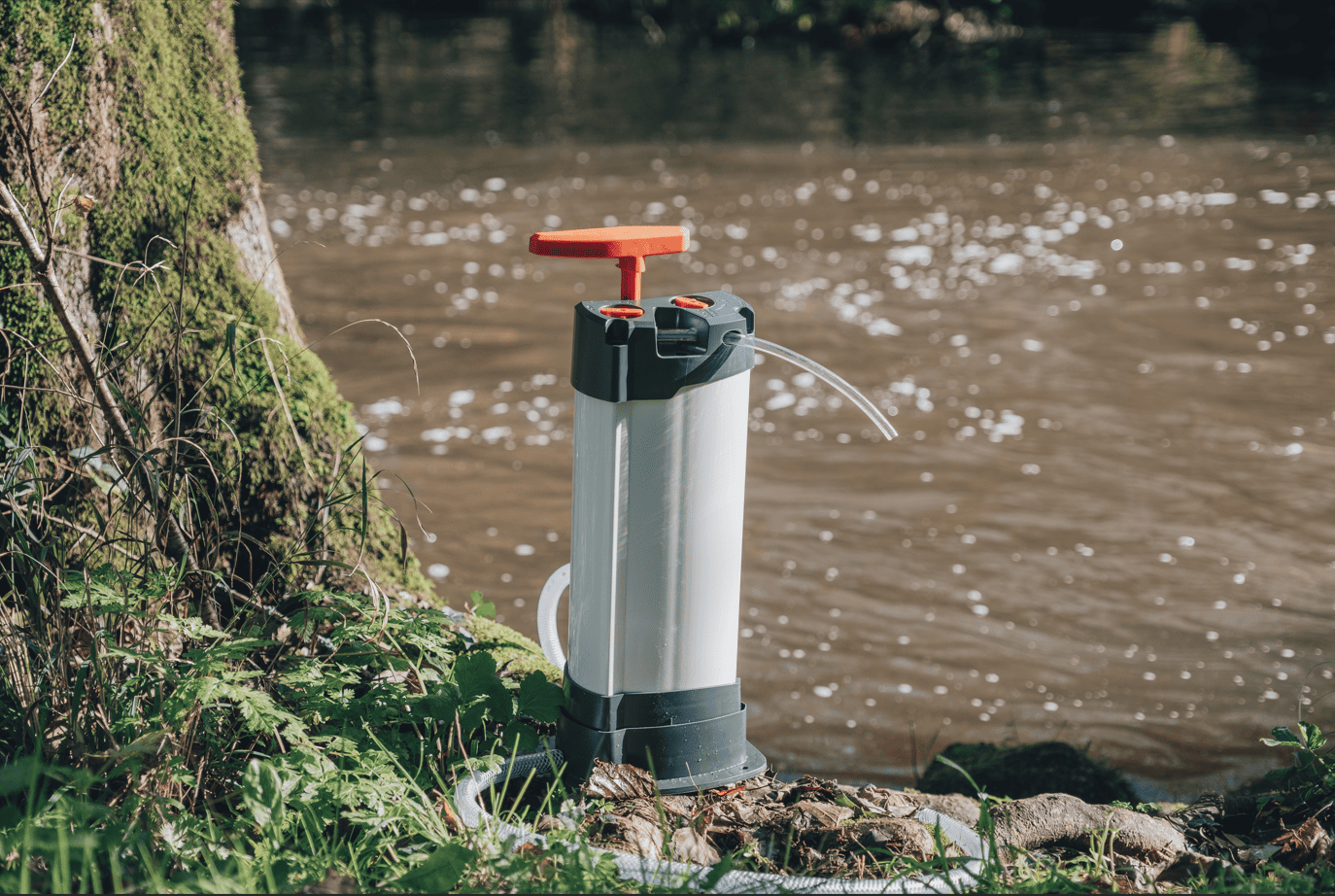
ORISA®: a simple and sustainable response to the government's guidelines
The guide ‘Tous responsables’ (We are all responsible) encourages citizens to become more self-sufficient in managing their essential needs, particularly water.
- With ORISA®, every household can:
- ensure its ability to filter available fresh water,
- reduce or eliminate bulky bottle storage,
- be prepared in the event of temporary disruption,
- adopt an environmentally friendly and sustainable approach.


