

When cyclones strike, water becomes an emergency
Access to water already fragile before the disasters
The impact of cyclones is exacerbated by the fact that Madagascar suffers from structurally low access to drinking water. Even before the disasters, only about 24% of the population had access to safe water, according to sector reports.
This situation exposes a large part of the population to untreated water, often drawn from rivers or springs that are particularly vulnerable after floods or overflowing.
How can we respond to the humanitarian emergency?
In such crisis situations, access to safe drinking water becomes an absolute humanitarian priority. Aid organisations, local authorities and private actors strive to restore safe water sources quickly, but this can take time, especially in remote areas.
It is in these situations that autonomous and immediately deployable solutions such as ORISA® water purifiers come into their own.
ORISA® purifiers: a suitable solution for Madagascar
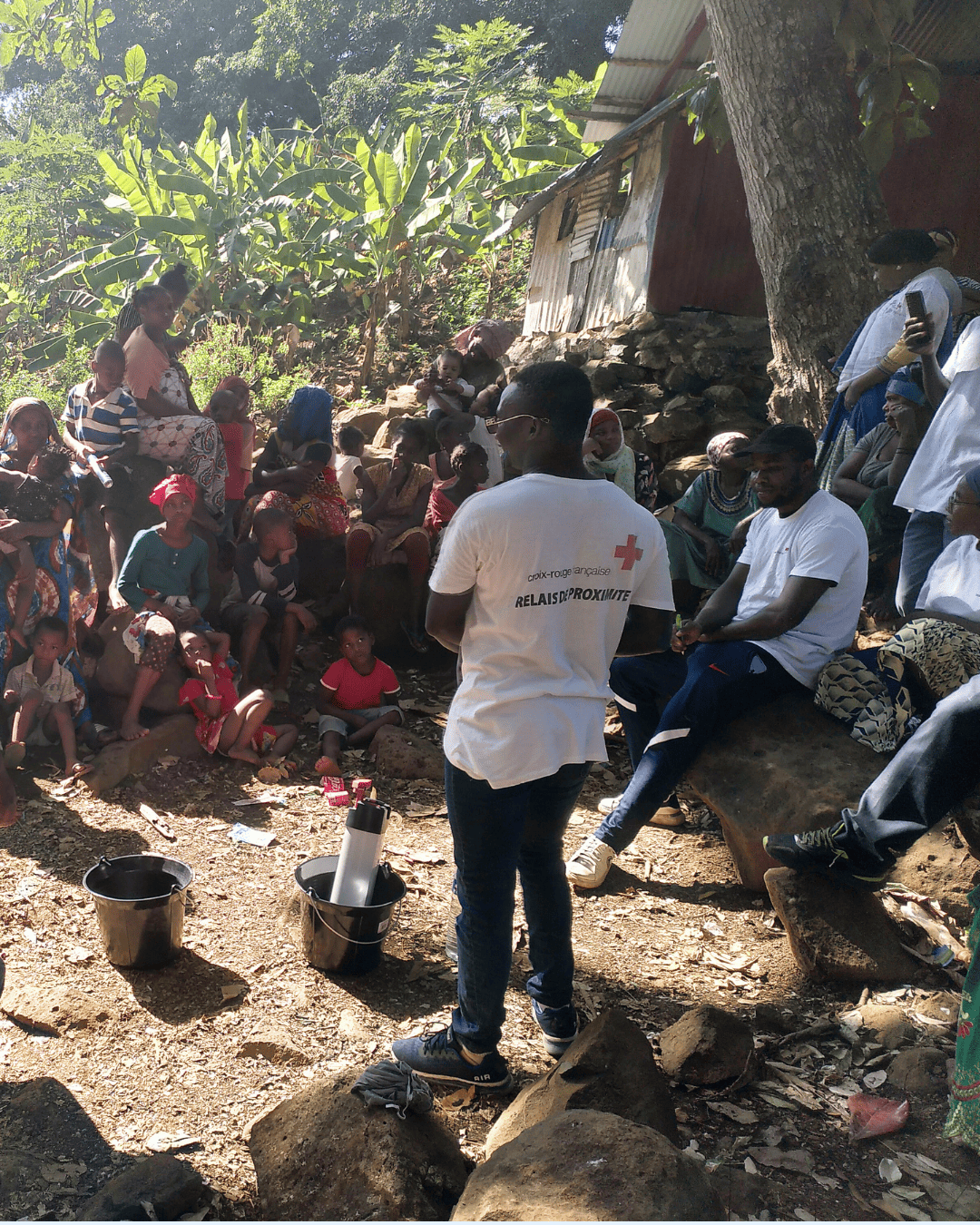
ORISA® water purifiers have already proven their worth in similar post-disaster situations, such as after Cyclone Chido in Mayotte, 960 units were deployed by the French Red Cross to meet urgent drinking water needs.
Why is ORISA® an effective solution in the context of natural disasters?

ORISA®, a tool for building resilience among vulnerable populations
Our ORISA® purifiers are designed to be robust, durable, and suitable for emergency situations, in order to support communities affected by climate disasters such as cyclones.
In a country like Madagascar, which is often confronted with the forces of nature, preparing, equipping, and protecting populations with reliable water purification solutions is essential for health, dignity, and the ability to recover after a disaster.
Thanks to our local partners, distributors of ORISA® solutions, water filtration devices can be deployed quickly to assist affected populations.


