

From “crisis” to “water bankruptcy”: a paradigm shift
What the UN calls ‘water bankruptcy’: Insolvency + irreversibility
Operational consequences

Why is access to drinking water becoming a matter of sovereignty?
Water sovereignty is not just a matter of large dams or cross-border treaties. At the level of households, schools, health centres, camps and cities, the ability to produce drinking water on demand, even when networks are under strain, is becoming strategic.
The UN report highlights that interconnected systems (agriculture, energy, supply chains, migration) transfer risks. When a region falls into water bankruptcy, shocks in quality and availability spread, particularly via food prices and migration flows, increasing the vulnerability of areas that are, in principle, better endowed.
Protecting local access to safe drinking water is therefore an investment in stability. This means that public policies and resilience strategies must complement centralised approaches with point-of-use water purification systems.
©UNU‑INWEH
In France, 72 hours of water autonomy, and beyond...
In France, the government now recommends that every household have a 72-hour emergency kit containing water, non-perishable food, a radio, a first aid kit, etc. The official list specifies 6 litres of water per person in plastic bottles. This recommendation quickly reveals its limitations: weight, bulk, dependence on restocking.
To manage longer or repeated outages, the complementary approach is to make available water (rain, wells, streams, boreholes) drinkable at the point of use, using reliable, simple devices that do not require electricity.

NGO WASH programmes: from water trucking to local water purification autonomy
In many humanitarian operations, water is physically available (rain, ponds, rivers, wells) but is not drinkable (microbiological load, turbidity, pollution). In acute phases, the delivery of bottled water or water by truck remains essential. However, if the deterioration becomes structural, the response must evolve: reducing dependence on external supplies and strengthening local autonomy for domestic and community water purification. This is the meaning of the shift from crisis management to failure management recommended by the UN.
Why decentralised solutions are key:
- Autonomy: They do not depend on the network.
- Sanitary quality: On-demand production reduces the risk of recontamination associated with prolonged storage
- Ownership: They focus on simple maintenance, repairability and local training.
- Equity: They give control back to families, schools, health centres and populations that are often the most exposed.
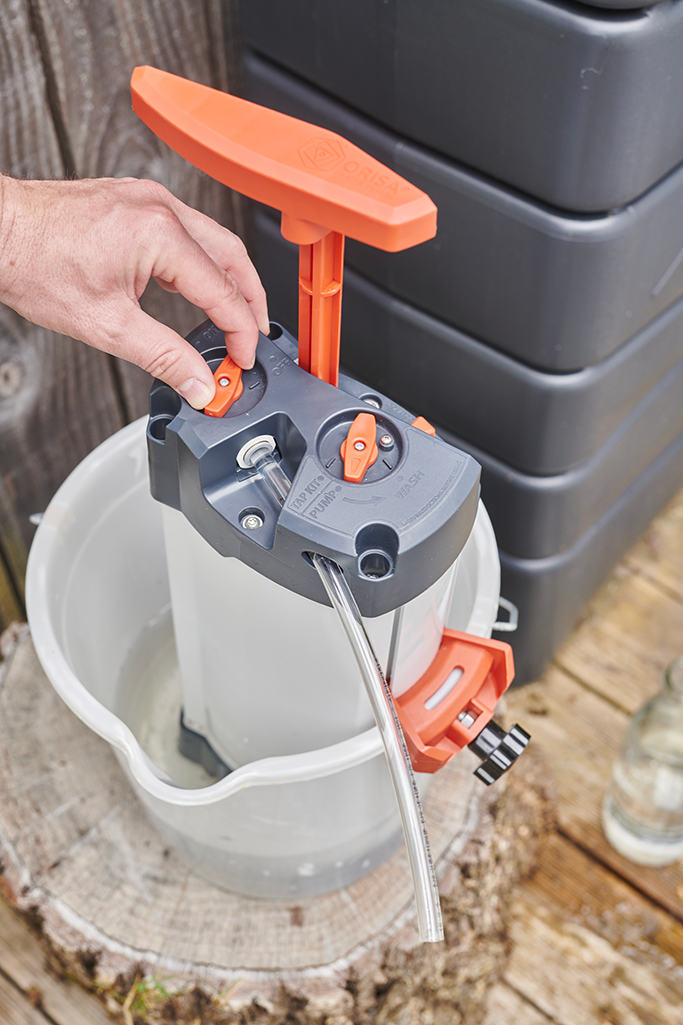
Solution study: ORISA® autonomous ultrafiltration
Uses of the ORISA® water purifier in a home/outdoor setting
-

AT HOME
-

Outdoor
-

Roaming


Uses of the ORISA® water purifier in a humanitarian context
-

Chad
-

Burkina Faso
-

Colombia


Conclusion: Managing bankruptcy means regaining control locally
The UN report acknowledges a reality: ‘normal’ no longer exists for a growing proportion of our water systems. Managing failure does not mean giving up; it means refocusing our choices on what is essential: protecting access to safe drinking water, as close as possible to users, on demand, in a fair and sustainable manner.
Fonto de vivo is part of this trajectory: strengthening water sovereignty through autonomous, repairable and proven purifiers.


